Israel’s Bondage in Egypt
The Israelites had lived in Egypt for generations, originally welcomed during the time of Joseph. Over time, they grew into a large population, which caused fear among the Egyptian rulers. Pharaoh enslaved them, forcing them into hard labor and harsh conditions. The people cried out to God, and He heard their suffering.
This moment sets the stage for God’s plan of deliverance—one that would unfold through a man chosen long before the journey began.
God Calls Moses
Moses was born during a time when Pharaoh ordered the death of Hebrew baby boys. Saved by God’s providence, Moses was raised in Pharaoh’s household but later fled Egypt after killing an Egyptian who was abusing a Hebrew slave. Years later, God appeared to Moses through a burning bush on Mount Horeb. b.
God called Moses to return to Egypt and lead His people out of slavery. Despite Moses’ doubts and fears, God reassured him, promising His presence and power. This calling shows that God often chooses imperfect people to accomplish His perfect will.
Confronting Pharaoh
Moses, along with his brother Aaron, stood before Pharaoh with a clear message from God: “Let my people go.” Pharaoh repeatedly refused, hardening his heart against God’s command.
In response, God sent ten powerful plagues upon Egypt, each demonstrating His authority over nature and Egypt’s false gods. These plagues culminated in the death of the firstborn, after which Pharaoh finally allowed the Israelites to leave. The Passover event became a lasting symbol of God’s protection and salvation.
Stories like these are often explored deeply through the Holy Bible online, helping readers understand the historical and spiritual meaning behind each event.
The Exodus Begins
After centuries of slavery, the Israelites left Egypt in a dramatic departure known as the Exodus. God guided them with a pillar of cloud by day and a pillar of fire by night. When Pharaoh changed his mind and pursued them, God performed one of the greatest miracles recorded in Scripture.
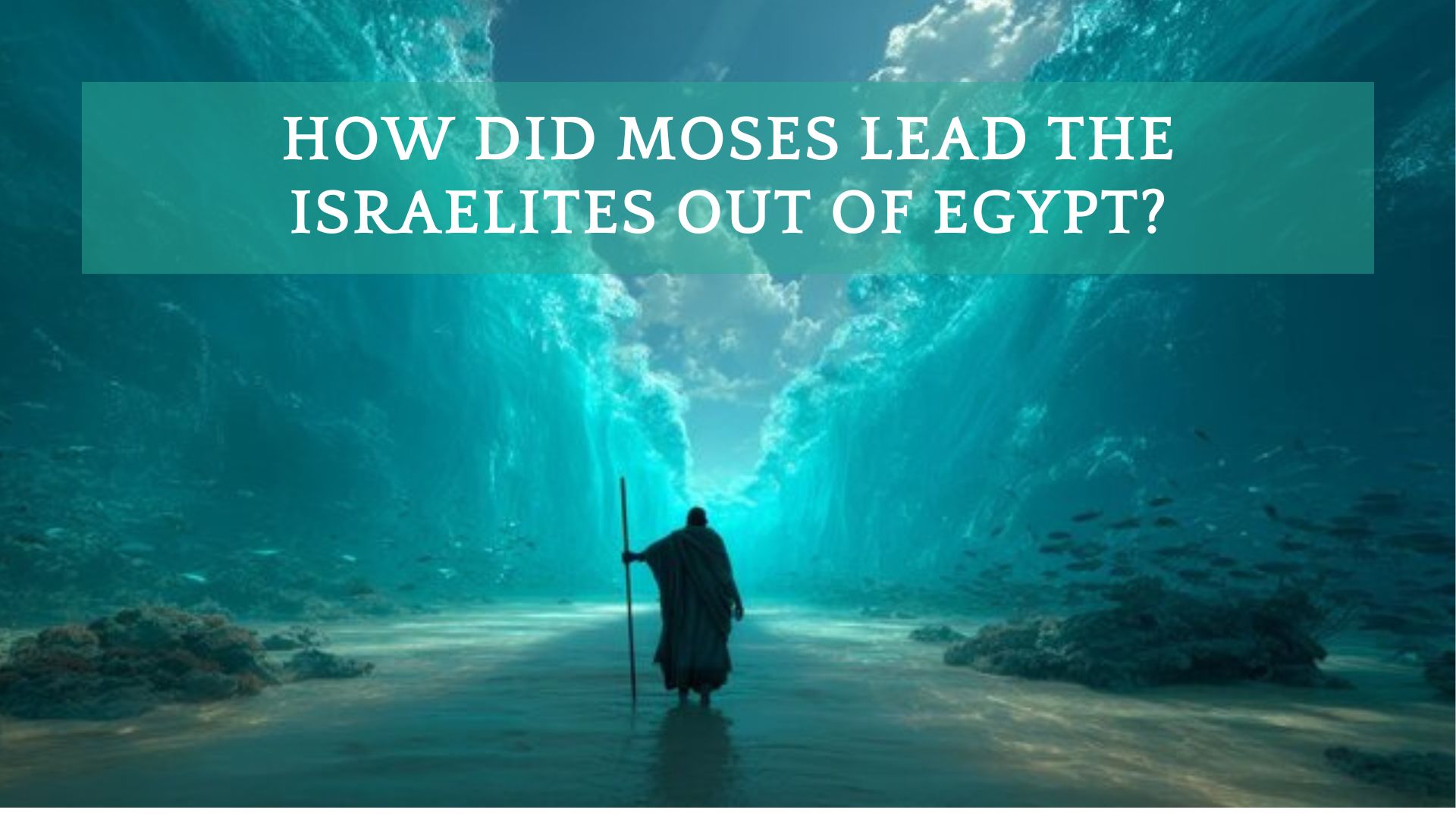
At the Red Sea, God parted the waters, allowing the Israelites to cross on dry ground. When the Egyptian army followed, the waters returned and destroyed them. This moment solidified Moses’ role as God’s chosen leader and strengthened the faith of the people.
God’s Guidance in the Wilderness
Although the Israelites were free, their journey was not easy. They wandered in the wilderness, facing hunger, thirst, and fear. God provided manna from heaven, water from a rock, and guidance through Moses.
At Mount Sinai, God gave Moses the Ten Commandments, establishing His covenant with Israel. Moses served as a mediator between God and the people, teaching them how to live according to God’s law.
Studying these events through a trusted Bible study website helps believers gain deeper insight into God’s character, justice, and mercy.
Lessons from Moses’ Leadership
Moses’ leadership teaches several important lessons:
God hears the cries of the oppressed.
Obedience matters, even when the task feels impossible.
True leadership requires humility and faith.
God’s power is greater than any earthly authority.
Despite challenges, Moses remained faithful to God’s calling, relying on Him for strength and direction.
Why This Story Matters Today
The Exodus is more than a historical event—it is a spiritual reminder that God is a deliverer. Just as He freed Israel from physical slavery, He offers freedom from sin and fear today. The story encourages believers to trust God’s timing and follow His guidance, even through difficult seasons.
Platforms like The Divine Bible make it easier for believers to explore stories like the Exodus through the Holy Bible online, offering accessible resources for learning, reflection, and spiritual growth.
Conclusion
Moses led the Israelites out of Egypt through faith, obedience, and God’s miraculous power. This journey from slavery to freedom stands as a cornerstone of biblical history and a timeless message of hope. Through studying Scripture and reflecting on God’s faithfulness, believers can find encouragement and guidance for their own faith journey.